As temperatures climb during the summer months, it’s normal to see your electric bill increase. However, if your utility costs seem unusually high, your HVAC system could be the culprit. In fact, heating and cooling account for nearly half of a home’s energy usage, making your air conditioner one of the biggest contributors to your monthly electric bill.
If you’ve noticed your energy costs rising faster than the temperature outside, here are seven common HVAC issues that could be costing you money—and what you can do about them.
1. Dirty Air Filters Restrict Airflow
One of the most common and easily preventable HVAC problems is a dirty air filter. When filters become clogged with dust, pet hair, and debris, your air conditioner has to work harder to push air throughout your home.
Signs of a dirty filter include:
- Reduced airflow from vents
- Uneven cooling
- Longer cooling cycles
- Higher energy bills
Most homeowners should replace their air filters every 1 – 3 months, depending on the type of filter and household conditions.
2. Your AC Is Running Constantly
If your air conditioner seems to run nonstop during the summer, something may be preventing it from reaching the desired temperature efficiently.
Potential causes include:
- Low refrigerant levels
- Dirty evaporator or condenser coils
- Leaky ductwork
- Improper system sizing
- Poor attic insulation
An AC system that never gets a break consumes significantly more electricity and experiences more wear and tear over time.
3. Leaky Ductwork Is Wasting Conditioned Air
Many homeowners don’t realize that a large percentage of cooled air can escape through leaks in their ductwork before it ever reaches the rooms in their home.
When conditioned air leaks into attics, crawl spaces, or wall cavities, your HVAC system must work harder to maintain comfort levels.
Common signs of duct leaks include:
- Hot and cold spots throughout the home
- Excessive dust
- High utility bills
- Weak airflow from vents
Professional duct inspections can identify hidden leaks and improve overall system efficiency.
4. Your Thermostat Is Working Against You
An outdated or malfunctioning thermostat can cause your HVAC system to operate inefficiently.
Common thermostat issues include:
- Incorrect temperature readings
- Frequent cycling
- Poor programming settings
- Aging mechanical components
Upgrading to a programmable or smart thermostat allows you to optimize cooling schedules and reduce unnecessary energy usage while you’re away from home.
5. Your Outdoor Unit Is Dirty or Blocked
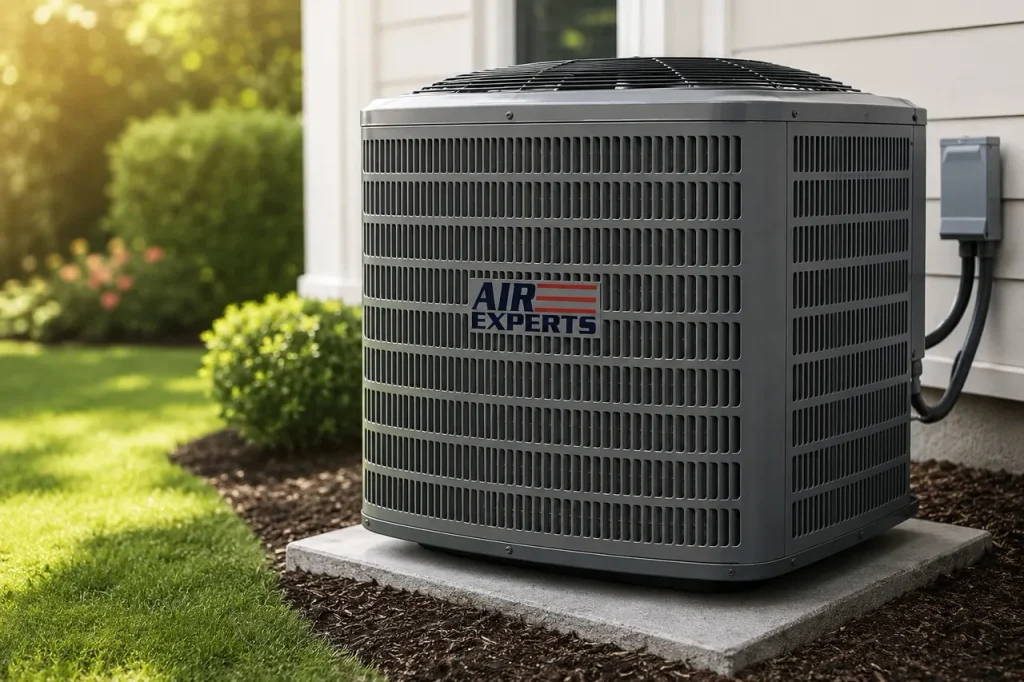
The outdoor condenser unit plays a critical role in removing heat from your home. When it becomes covered in dirt, grass clippings, leaves, or other debris, airflow is restricted and efficiency drops.
A dirty condenser can cause:
- Higher energy consumption
- Reduced cooling performance
- Longer run times
- Increased system strain
Keep at least two feet of clearance around your outdoor unit and schedule regular maintenance to ensure the coils remain clean.
6. Low Refrigerant Levels Reduce Efficiency
Refrigerant is what allows your air conditioner to absorb heat from inside your home and release it outdoors. If refrigerant levels are low due to a leak, your system loses cooling capacity and works harder to achieve the desired temperature.
Signs of low refrigerant include:
- Warm air from vents
- Ice buildup on refrigerant lines
- Increased cooling cycles
- Higher electric bills
Because refrigerant systems are sealed, low levels almost always indicate a leak that requires professional repair.
7. Your HVAC System Is Aging
Even with regular maintenance, HVAC systems become less efficient as they age. Components wear down, technology becomes outdated, and energy consumption gradually increases.
Most air conditioners have a lifespan of approximately 10 – 15 years. If your system is approaching or exceeding that age, you may notice:
- Rising utility costs
- Frequent repairs
- Reduced comfort
- Poor humidity control
In many cases, upgrading to a high-efficiency system can significantly reduce monthly energy expenses while improving indoor comfort.
How to Lower Your Energy Bills This Summer
If you’re looking to improve efficiency and reduce cooling costs, consider these simple steps:
- Replace air filters regularly
- Keep vents open and unobstructed
- Schedule annual HVAC maintenance
- Seal duct leaks
- Upgrade to a smart thermostat
- Improve attic insulation
- Address HVAC repairs promptly
Preventive maintenance is often the most cost-effective way to keep your system operating efficiently throughout the hottest months of the year.
Schedule an HVAC Inspection Today
If your electric bill has been climbing and you’re not sure why, your HVAC system may be trying to tell you something. Identifying small issues early can prevent expensive repairs, reduce energy costs, and help your family stay comfortable all summer long.
Our experienced HVAC technicians can inspect your system, identify efficiency problems, and recommend solutions that save you money. Contact us today to schedule your professional HVAC inspection and start lowering your energy bills.